
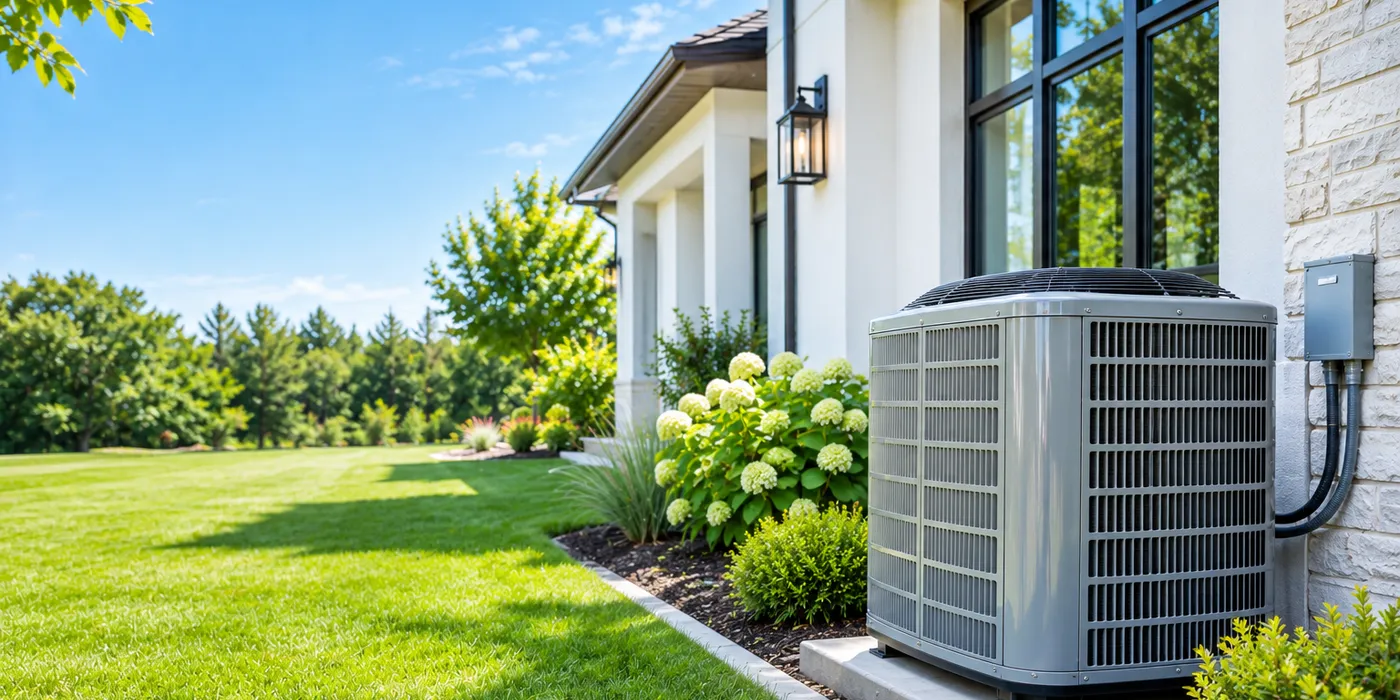
Air Conditioner Repair in Austin, TX
We trace warm vents, buzzing units, breaker trips, and other AC faults.
Warm air from the vents, a buzzing sound from the outdoor cabinet, a damp patch below the indoor unit, or an electric bill that rose without a change in thermostat settings can all point to an air conditioner fault. We check the equipment behind the symptom, from the air handler and blower motor to the condenser, capacitor, contactor, wiring, and refrigerant circuit.
A system can lose cooling for several different reasons. A dirty coil may restrict heat transfer, a weak capacitor may keep the condenser fan from starting, or a failing contactor may leave the compressor without steady power. We test the components rather than replacing a part based only on a noise or a warm room.
A light rattle with normal cooling can usually be scheduled, but a burning odor, a breaker that trips, ice on the refrigerant line, or water reaching the ceiling or floor should not wait. Those conditions can damage the compressor, wiring, insulation, or indoor cabinet if the unit keeps running.
Warm vents and buzzing
We often hear that the AC is running but the vents are blowing warm air, especially in one bedroom or throughout the house. That can come from a condenser fan that is not turning, a compressor that is not starting, a blower problem, a control fault, or restricted airflow across the evaporator coil.
A buzzing outdoor unit that will not start, a repeated click from the condenser, or a hum followed by silence can point to a capacitor, contactor, motor, or compressor issue. A breaker that trips when cooling starts may involve the disconnect, wiring, compressor, fan motor, or another electrical component.
Other calls begin with weak airflow from a ceiling register, ice on the copper line, or a thermostat that shows cooling while the room temperature keeps climbing. These signs can look similar from inside the house, but each comes from a different component and repair scope, so we inspect the unit before determining what work is needed.
Condenser callout and tests
At the callout, we start with the thermostat setting, return-air path, supply vents, air handler, and outdoor condenser. We check the filter condition, blower operation, coil condition, drain pan area, disconnect, breaker condition, wire connections, and the fan and compressor startup sequence.
We measure control voltage, which is commonly 24 volts, and line voltage at equipment that commonly operates on 208 to 240 volts. We also test capacitor readings, motor amperage, temperature split across the supply and return air, and, where appropriate, refrigerant pressures and superheat or subcooling readings. A basic diagnostic check commonly takes 30 to 60 minutes, while an intermittent electrical fault or a frozen coil can require more observation time.
When testing identifies a suitable capacitor, contactor, fuse, wiring connection, or other available component, we can often carry out that repair during the same visit. A compressor, control board, matched motor, coil, or model-specific part may need to be ordered, and we book the follow-up work after the correct part is confirmed.
Compressor age and attic access
The age and condition of the compressor, condenser fan motor, capacitor, and control board affect the repair scope because older equipment may use discontinued or model-specific parts. A readable model plate lets us match electrical ratings and replacement components instead of relying on the cabinet appearance.
Access also changes the work involved. A condenser behind a locked gate, an air handler in a tight attic, a ceiling-mounted unit above finished drywall, or a disconnect with damaged wiring can require more setup, testing, and safe working room than an easily reached cabinet.
The needed part matters as well. A standard electrical component is different from a manufacturer-specific board, motor, compressor, or coil that must be ordered. If the repair involves a disconnect, wiring change, equipment replacement, or other work requiring permit review or sign-off, that requirement also affects the job plan.
Model plate and indoor unit
Before calling, we recommend locating the model and serial number on the metal plate of the outdoor condenser or indoor air handler. The plate is usually mounted on the cabinet side or inside an access panel, and a clear photo can help us identify compatible parts.
Let us know which room has warm vents, whether the outdoor fan is running, and whether the thermostat display is on. We also need to know if the breaker has tripped, if ice is visible on the copper line, and whether the indoor unit is in a closet, garage, or attic.
Please mention gate access, attic access, pets, and any ceiling or floor water near the air handler so we can plan the inspection safely. Call Austin Air Conditioning Solutions at (469) 771-1630 before repeated failed starts or ice buildup puts added strain on the compressor.
Hours of operation
| Monday | Open 24 hours |
| Tuesday | Open 24 hours |
| Wednesday | Open 24 hours |
| Thursday | Open 24 hours |
| Friday | Open 24 hours |
| Saturday | Open 24 hours |
| Sunday | Open 24 hours |
Not what you were after? Go back to the home page or air conditioner maintenance.